Why the First 72 Hours Decide Long-Term Performance
Transport stress is more than a rough ride. Animals lose water, electrolytes, and rumen function. Their immune system dips and they often refuse feed for 24–48 hours. How you manage the first three days after unloading determines whether they bounce back or carry a performance deficit for weeks.
Most losses (weight, illness, or death) that buyers later regret trace back to this window. A quiet, prepared pen and simple routines beat last-minute scrambling.
Set Up the Arrival Pen Before the Truck Leaves
Prepare the space at least a day ahead.
- Clean, dry bedding — Deep straw or wood shavings so animals can lie down immediately. Wet concrete or mud increases cold stress and joint issues.
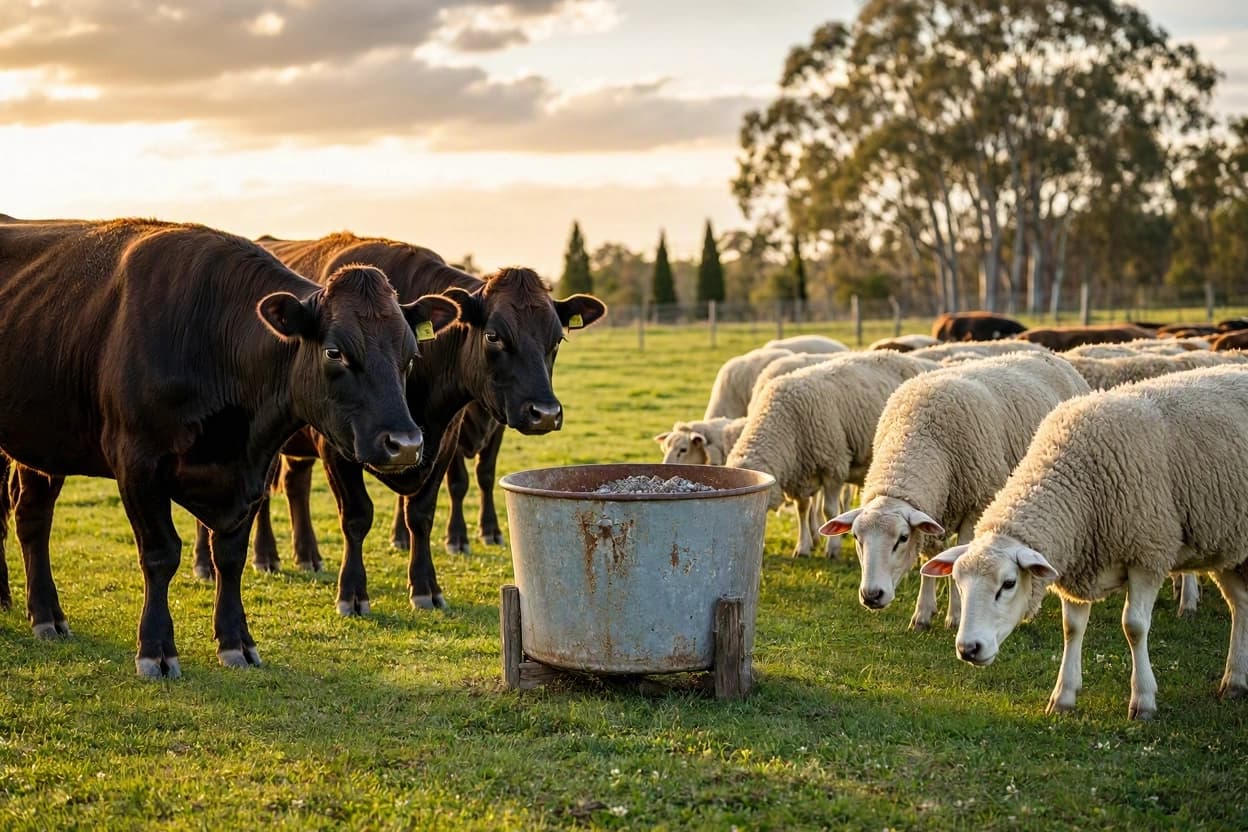
- Multiple water sources — Large troughs plus smaller buckets at different heights. Many animals will not drink from unfamiliar troughs at first.
- Familiar feed — Offer the same hay or concentrate they ate before shipping if possible. Sudden diet changes compound the problem.
- Space and shade/wind protection — Enough room to move freely without crowding. Block drafts but keep ventilation open.
- No mixing yet — Keep new stock separate from the existing herd for the full quarantine period.
A pen that looks calm and smells of clean bedding lowers cortisol faster than any supplement.
Hour-by-Hour Priorities
First 6 Hours
Unload quietly. Let animals settle and drink before handling further. Watch for animals that stand alone or refuse to approach water. Offer clean water first, then high-quality hay.
6–24 Hours
Most animals begin drinking and nibbling hay. Check manure and urine output. Soft, dark manure or none at all signals the rumen is still shut down. Keep noise and sudden movements to a minimum.
Day 2
Appetite should improve. Introduce any new feed gradually (no more than 25% of the ration the first day). Walk the pen once and note who is not eating or is lagging behind the group.
Day 3
Most healthy animals are eating and drinking normally. Those still off-feed or looking dull need closer observation or a call to your vet. Record body temperatures if you see lethargy, nasal discharge, or coughing.
Practical Recovery Checklist
- Fresh water available at all times, checked twice daily
- High-quality grass or alfalfa hay offered free-choice
- Electrolyte supplement in water for the first 24–48 hours (follow label rates)
- Quiet observation periods — note who is eating, drinking, and lying down comfortably
- No vaccinations, deworming, or stressful procedures until animals are eating well (usually day 3–5)
- Separate any animal that is not improving by the end of day 3
Common Mistakes That Extend Recovery
- Putting new animals straight into the main herd
- Offering only dry concentrate with no hay
- Handling or sorting repeatedly in the first 48 hours
- Ignoring animals that refuse water for more than 12 hours
- Overcrowding the arrival pen
Takeaways for Buyers
- Prepare the pen and water before the animals arrive.
- Prioritize water and rest over feed or procedures in the first 24 hours.
- Watch individual animals, not just the group average.
- Delay elective treatments until the animals are eating normally.
- Use the quarantine period for both biosecurity and recovery — they serve the same goal.
Animals that drink, eat, and rest within 72 hours almost always recover their lost weight and stay healthier through the following weeks. A little preparation before the truck rolls in is the highest-return step a buyer can take.