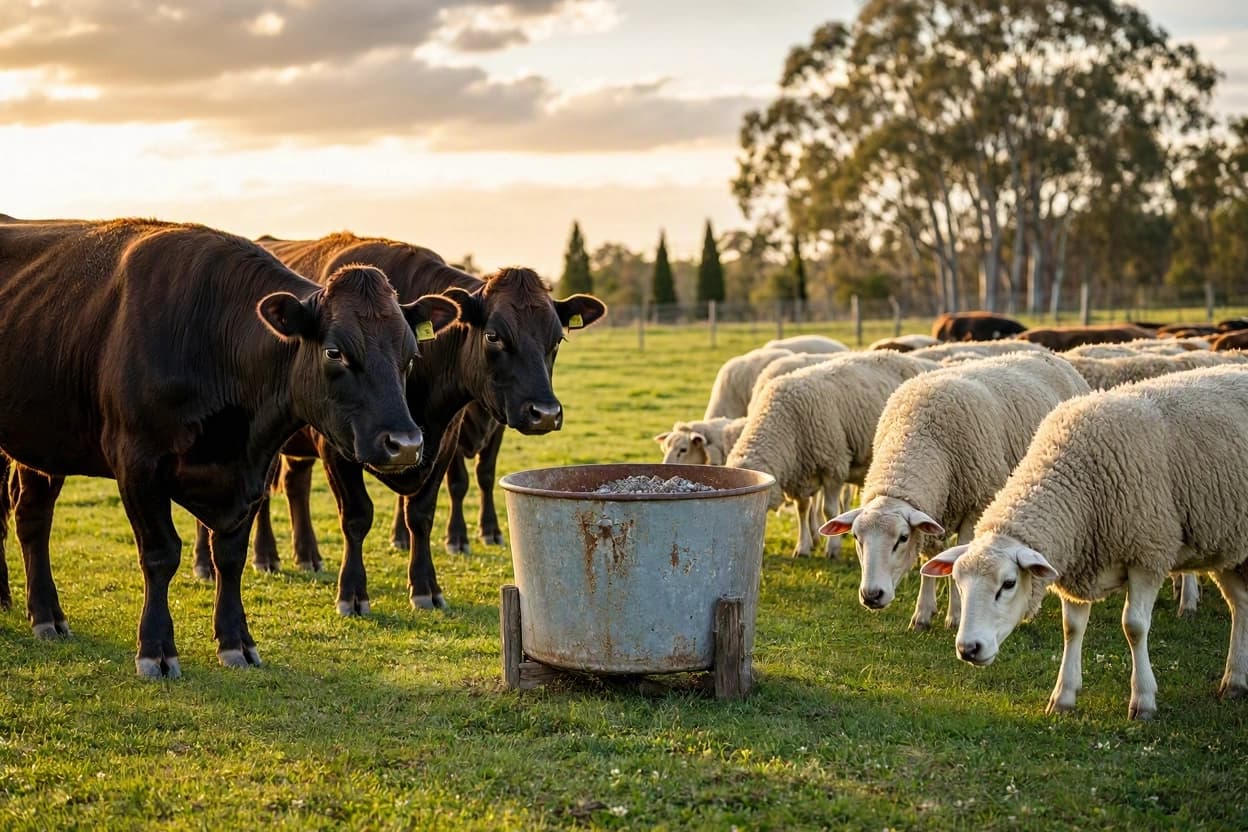
Why Body Condition Matters More Than the Photo
A glossy listing image can hide a thin animal or one carrying excess fat. Body condition scoring (BCS) gives you a repeatable, hands-on way to judge energy reserves, muscle cover and overall fitness before you commit money.
Thin stock often need extra feed, struggle with fertility and arrive weaker after transport. Over-fat animals cost more to maintain and can face breeding or mobility issues. Scoring lets you compare animals on equal terms and negotiate with facts rather than impressions.
Scales You Will Actually Use
Cattle are usually scored 1–9. Sheep and goats use a 1–5 scale, often with half-points. The numbers differ, but the goal is the same: find the animal in the productive middle range for its stage of life.
- Cattle ideal for most breeding females sits around 5–6.
- Sheep and goats target roughly 2.5–3.5 depending on breeding, pregnancy or lactation stage.
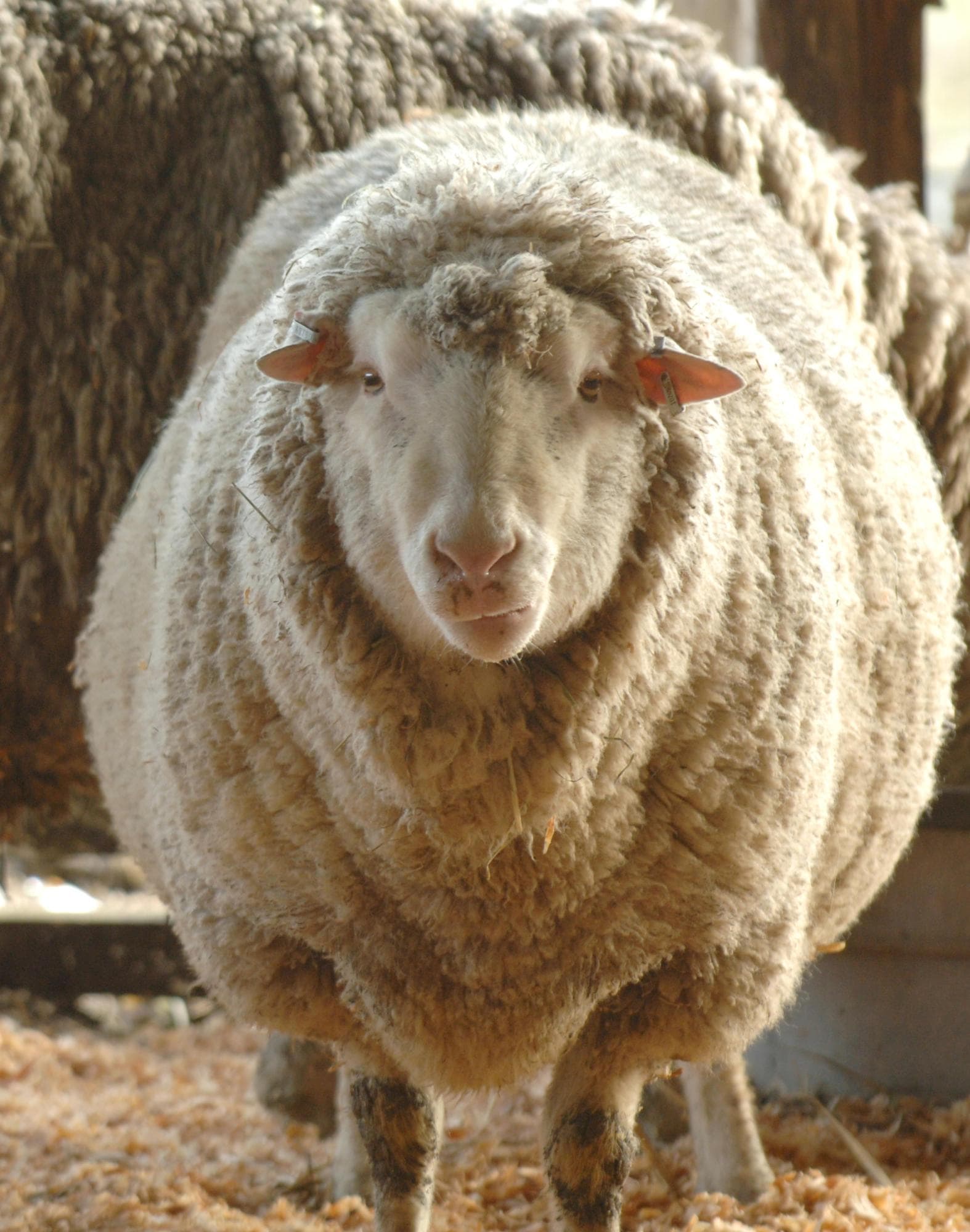
Always feel, don’t just look. Wool, hair and a full rumen mask true condition.
Hands-On Check for Sheep and Goats
Stand beside the animal with all four feet on the ground. Place your hand on the loin just behind the last rib.
Feel the spinous processes (the points of the backbone) and the transverse processes (the shelf of bone running sideways). Then run your fingers over the ribs and, for goats, the sternum fat pad.
What the scores feel like
- Score 1 (emaciated): Backbone and ribs are sharp. Little or no muscle. Skin almost touches bone.
- Score 2 (thin): Processes still prominent but some muscle present. Ribs easy to feel with light pressure.
- Score 3 (ideal): Backbone feels smooth and rounded. Individual processes felt only with firm pressure. Good muscle and moderate fat cover.
- Score 4 (fleshy): Processes hard to feel. Fat covers the loin. Ribs require strong pressure.
- Score 5 (obese): No bony landmarks detectable. Fat feels thick and may be lumpy.
Most healthy market or breeding stock should land between 2 and 4. Animals at 1.5 or below, or 4.5 and above, deserve extra scrutiny or a price adjustment.
Visual and Palpation Guide for Cattle
Beef cattle scoring relies more on sight, though feeling the ribs and tailhead still helps.
Look at:
- Rib cover and visibility
- Spine and hip bones (hooks and pins)
- Tailhead and brisket fat deposits
- Overall muscling over the loin and hindquarter
Quick cattle reference
- 1–3: Thin. Ribs, spine and hooks obvious. Little fat.
- 4–6: Moderate to ideal. Ribs felt but not prominent. Smooth topline. BCS 5 is the common target for mature cows.
- 7–9: Fleshy to obese. Heavy brisket and tailhead fat. Bones well covered.
A cow that looks “good” in a photo may still sit at BCS 4 if you can easily feel every rib. That difference affects how quickly she recovers after calving and how soon she breeds back.
When and How to Score Before Buying
Ask the seller if you can handle the animals, or arrange a viewing. Score several animals in the group so you see the range, not just the best one pushed forward.
Practical steps:
- Work when animals are calm and standing square.
- Score before feeding if possible — a full belly inflates the look.
- Record the score next to the listing number.
- Compare against the production stage. A late-pregnant ewe at BCS 2.5 may need different feeding than a dry one at the same score.
If the seller will not allow handling, treat that as information. Reliable sellers expect buyers to check condition.
Practical Takeaways for Occuin Buyers
- Request or perform a BCS before bidding. It is faster than most health paperwork and more predictive of short-term costs.
- Adjust your bid for extremes. Thin animals may need 4–8 weeks of higher feed; very fat ones may be slower to breed or cost more in maintenance.
- Match scores to your system. If your pastures are sparse, start with animals closer to ideal rather than thin ones you plan to “feed up.”
- Re-score after quarantine. Condition can drop during transport and the first weeks on a new place.
Body condition is not the only check — eyes, feet, teeth and vaccination history still matter — but it is one of the few you can do with your hands in a few seconds. Use it every time you look at stock on Occuin or elsewhere. The animal that feels right usually performs better once it reaches your place.