How to Evaluate Sheep Health Before Buying
Buying sheep or lambs looks straightforward until the first health issue shows up after the trailer door closes. A careful look at the animal before you pay saves money, time, and stress. This guide walks through the practical checks that experienced buyers use on farms and at sales.
Why Health Checks Matter
Sheep hide problems well. A thin ewe or a lamb with early foot rot can look fine from a distance. Once the animal is yours, treatment costs add up and weight gain slows. Checking on the spot also tells you how the seller manages the flock. Buyers who skip this step often spend the next season catching up.
A short structured inspection also protects the rest of your flock. Bringing in an animal with external parasites or an internal worm load can set back animals you already own. The cost of a missed problem is almost always higher than the cost of walking away from a questionable animal.
Physical Signs of a Healthy Sheep
Start with a full visual scan from several angles. Stand back first, then move closer. Note anything that stands out from the group. Good light helps. Early morning or late afternoon usually shows coat and condition more clearly than harsh midday sun.
Coat and Skin
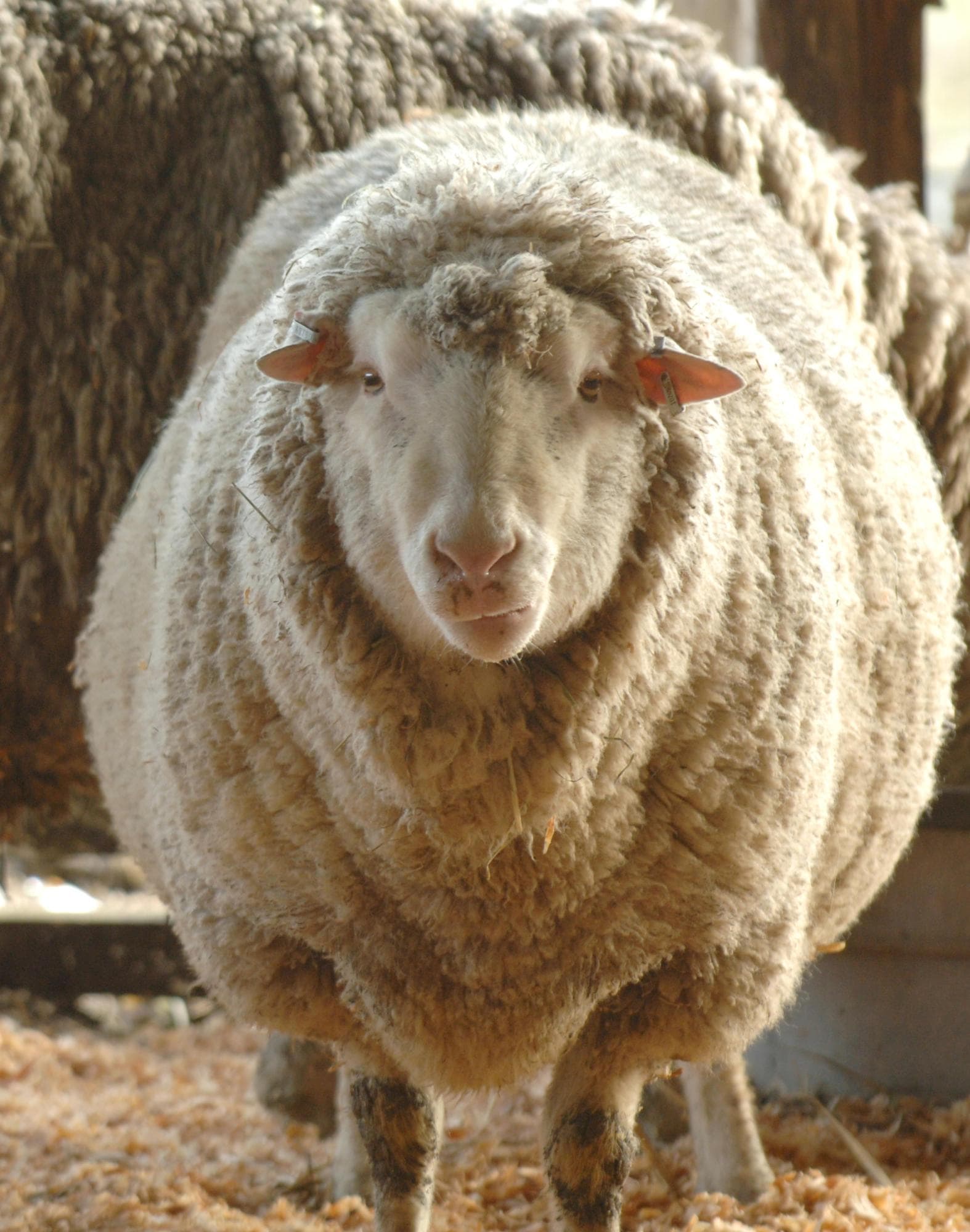
A healthy sheep has a dense, even fleece free of large bare patches. Run your hand along the back and sides. The skin should feel clean, not greasy or crusty. Look for signs of external parasites: rubbing, missing wool, or small scabs. A few bare spots on the brisket or around the tail can be normal, but widespread loss is not. Check the underside and the area around the udder on ewes.
Eyes, Nose, and Mouth
Eyes should be bright and clear, not cloudy or runny. A slight clear discharge is normal in some conditions, but thick yellow or green mucus is not. Check the nose for the same. The mouth and teeth matter more in older ewes; gums should be pink, not pale. Pale gums can point to anemia from parasites. Gently open the mouth if the animal is calm and look at the incisors.
Body Condition
Score the animal by feeling the spine and ribs. You want a firm layer of muscle and fat without sharp bones or excessive softness. Lambs should look alert and well-filled, not pot-bellied from worms. A score of 2.5 to 3.5 on the five-point scale is ideal for most breeding stock heading into a new home. Too thin and the animal may struggle to adapt. Too fat and it may have been pushed hard on grain.
Observing Behavior and Temperament
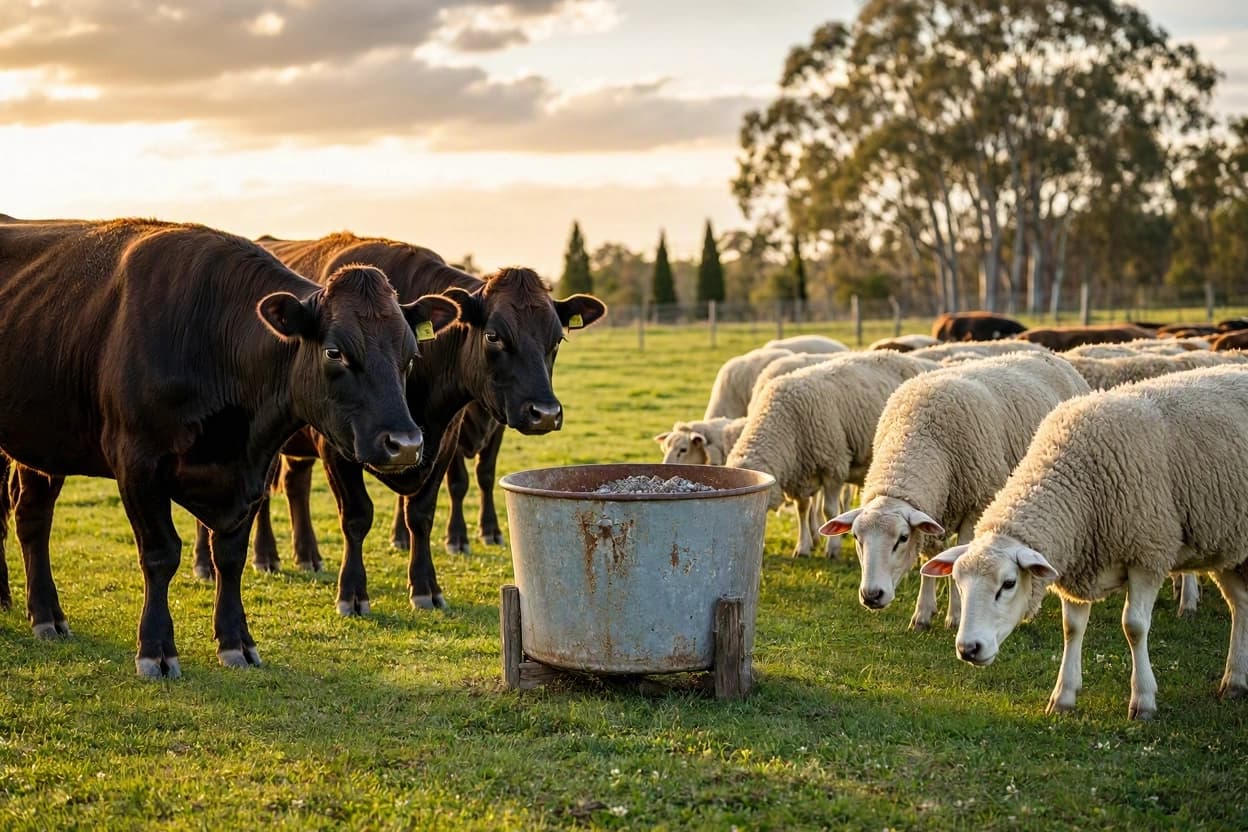
Watch the group before you single one out. Healthy sheep move with the flock, chew cud, and stay curious. An animal that stands alone, droops its head, or shows labored breathing needs a closer look. Temperament shows in how it reacts to people and dogs. Avoid animals that bolt wildly or, worse, charge. A sheep that is comfortable around handlers usually adapts faster to a new pen. Spend a few minutes just watching before you handle any individual.
Feet and Legs
Lift or ask to see the feet. The hoof wall should be even, not overgrown or cracked. Check for foul smell or swelling between the toes, classic foot-rot signs. Watch the animal walk. It should place weight evenly on all four feet without limping. Overgrown feet can hide problems that show up once the animal is under your care. If the seller has not trimmed recently, ask how often they do it.
Practical Checklist for Buyers
Use this short list on the farm or at the sale:
- Observe the whole flock first for overall condition and energy
- Check coat, skin, eyes, and nose on the individual animal
- Feel body condition score along the spine and ribs
- Inspect feet and walk the animal on a hard surface
- Ask about recent treatments, vaccinations, and deworming history
- Note the seller’s overall setup, fencing, and feed storage
After the Purchase
Isolate new sheep for at least two weeks. This protects your existing flock and gives you time to treat anything that appears. Keep records of what you saw and what the seller told you. A simple notebook or phone note is enough. If something was borderline at purchase, schedule a closer look with your veterinarian once the animal settles. Good records make the next purchase easier.
Healthy sheep from a well-managed flock usually stay that way when the basics are in place. The ten minutes you spend on these checks are the cheapest insurance you can buy.
Takeaways
- Look at the whole group before you pick one animal.
- Feel the body and check feet rather than relying on appearance alone.
- Ask clear questions about health history and recent treatments.
- Isolate new arrivals so any hidden issues stay contained.
- Keep simple notes so you can compare sellers over time.