Why late summer still hits hard
Peak calendar summer may be over, but barns and paddocks often stay hottest in early September. Animals carry extra condition from grazing, nights stay warm, and humidity rises. Heat stress cuts milk yield, slows weight gain, and raises the risk of panting, reduced appetite, and reproductive losses.
You do not need a new facility to protect stock. Small changes to shade, water, and daily routine usually do more than expensive gadgets.
Know the signs before production drops
Watch the herd at the hottest hour, not at dawn.
- Open-mouth breathing or heavy panting
- Bunching in any sliver of shade
- Reduced rumination and leftover feed
- Higher water use with little urine output
- Poultry with wings held away from the body
If several animals show two or more of these signs, treat it as an emergency cooling day, not a wait-and-see problem.
Shade that actually works
Trees are best, but portable shade cloth or a simple lean-to works if it is tall enough for air to move underneath. Aim for at least 3–4 square metres of shade per adult cow and scale down for goats and sheep.
Quick shade rules
- Place shade on the west side of the paddock so afternoon sun is blocked.
- Keep the roof high. Low roofs trap heat.
- Dark iron sheets without insulation become ovens. Add a second layer or paint the top white if you must use metal.
- Move portable shelters as the sun angle changes through the month.
Never lock animals under a low tin roof with no airflow. That is worse than open sun.
Water: volume, access, and temperature
Heat-stressed cattle can drink 50–80% more water. One trough for a large group creates crowding and fights.
- Provide at least two water points per group.
- Clean algae and sludge daily; warm water grows film fast.
- Keep troughs in shade so water stays cooler.
- Check flow rates. A dripping tap is not enough when twenty animals arrive at once.
Poultry need extra drinkers and, if possible, slightly cooler water. Replace water more often than in cooler months.
Feeding and handling that lower heat load
Digestion itself produces heat. Shift the main meal to late evening or very early morning so animals are not fermenting a large ration at noon.
- Offer more frequent, smaller meals.
- Keep forage quality high so animals do not work harder to get energy.
- Avoid moving, loading, or vaccinating between 11:00 and 16:00.
- If you must transport, travel at night and never overload the vehicle.
Electrolyte supplements help after a severe heat day, especially for dairy cows and working animals. They are not a substitute for shade and water.
Housing tweaks that cost little
Open the sides of sheds. Cross-ventilation beats a closed barn with a fan that only stirs hot air.
- Raise curtains or remove temporary walls on opposite sides.
- Wet the floor of empty pens in the morning so evaporation cools the space before animals return.
- Do not soak animals that cannot dry; wet coats plus no breeze can trap heat in heavy-coated breeds.
- For poultry, reduce stocking density for a few weeks and add extra ventilation at bird height.
A cheap thermometer in the shed at animal height tells you more than the weather app on your phone.
Species notes
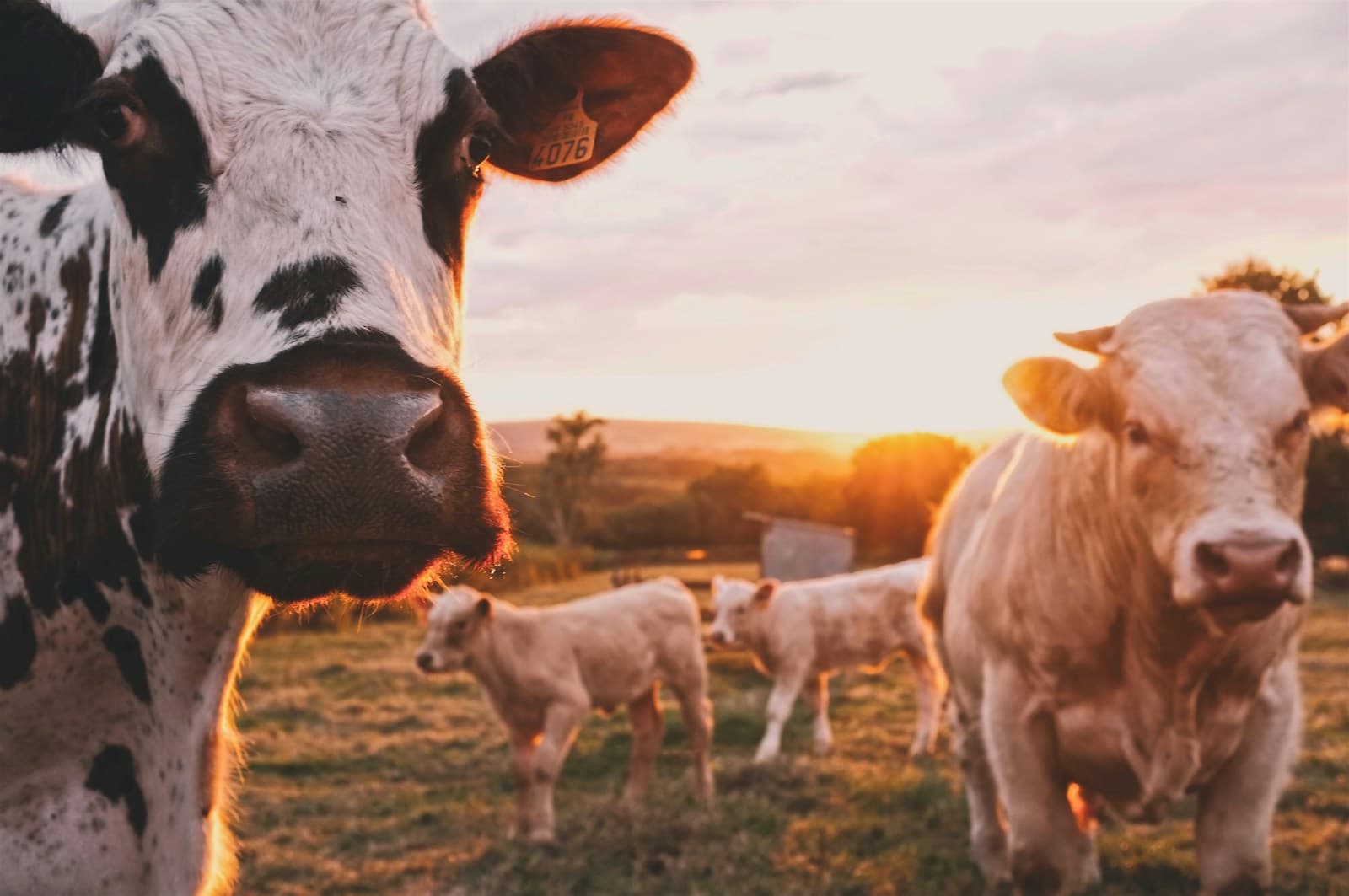
Cattle and buffalo. Dark, heavy breeds suffer first. Give them the best shade and first access to water. Watch bulls and late-pregnant cows closely.
Goats and sheep. They handle heat better than cattle if they have breeze and shade, but woolled sheep need shearing on time. Overgrown fleece is a heat trap.
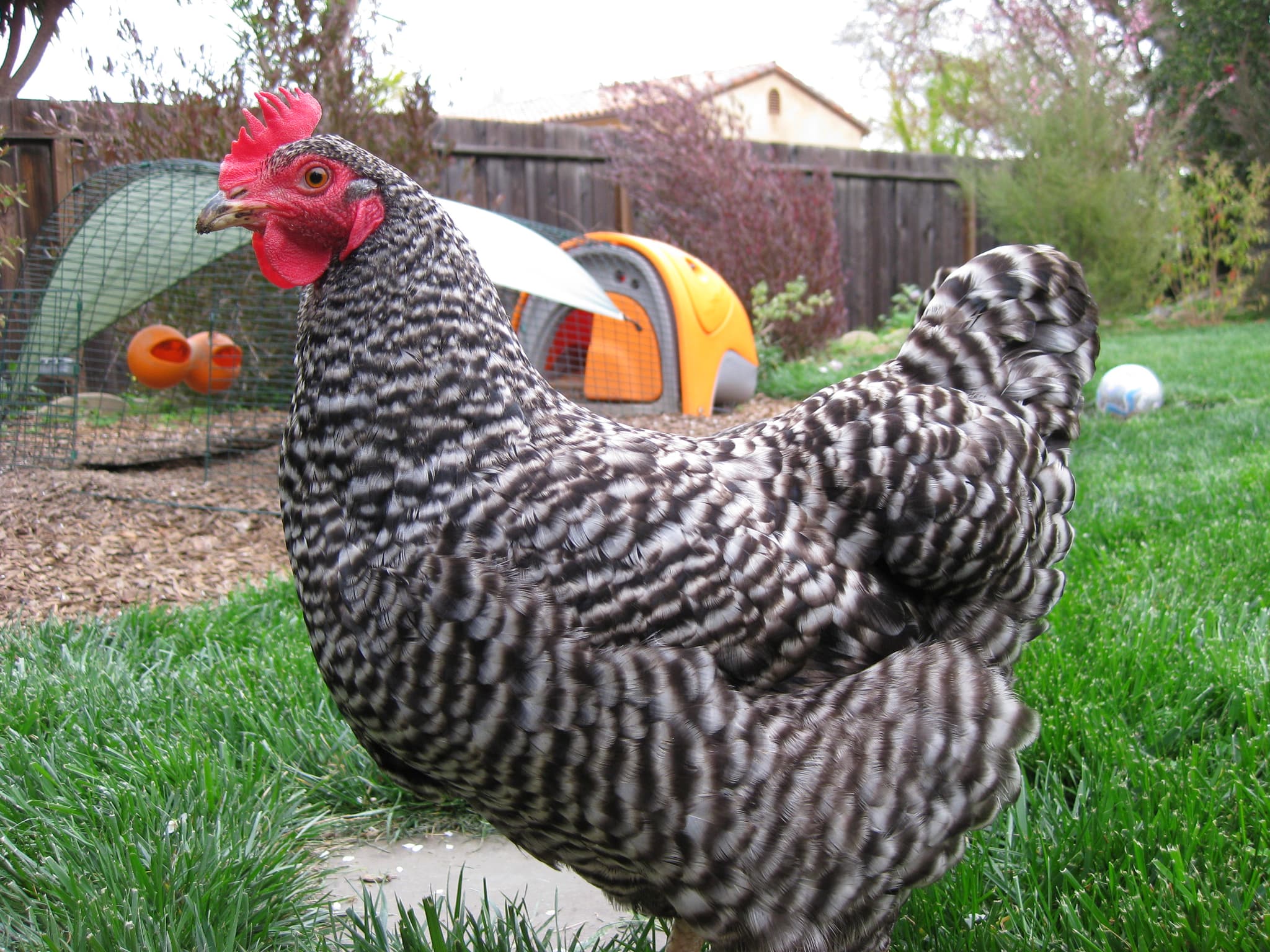
Poultry. Heat kills faster here. Extra drinkers, lower density, and night feeding matter more than for ruminants.
A simple daily checklist
Use this in the hottest stretch of the week:
- Walk the herd at 14:00 and count panting animals.
- Confirm every trough is full and clean.
- Check that shade is still covering the resting area.
- Move feeding to evening if leftovers appear at midday.
- Record any drop in milk, eggs, or feed intake so you can act the next morning.
When to call a vet
Call if an animal collapses, cannot stand, has dark gums, or stops drinking. Cool the body with shade and room-temperature water on the neck and legs while you wait. Do not force ice-cold water over the whole body of a large ruminant; sudden shock can worsen the situation.
Takeaways
Late-summer heat is a management problem, not just a weather problem. Shade with airflow, extra water points, evening feeding, and quieter handling protect both welfare and income. Start with the checklist today. Small fixes compound across a herd faster than a single expensive upgrade.
If you buy or sell stock this season, list animals with honest notes on housing and water so buyers know what they are taking on. Clear records protect both sides of the deal.