Why hens look ragged in September
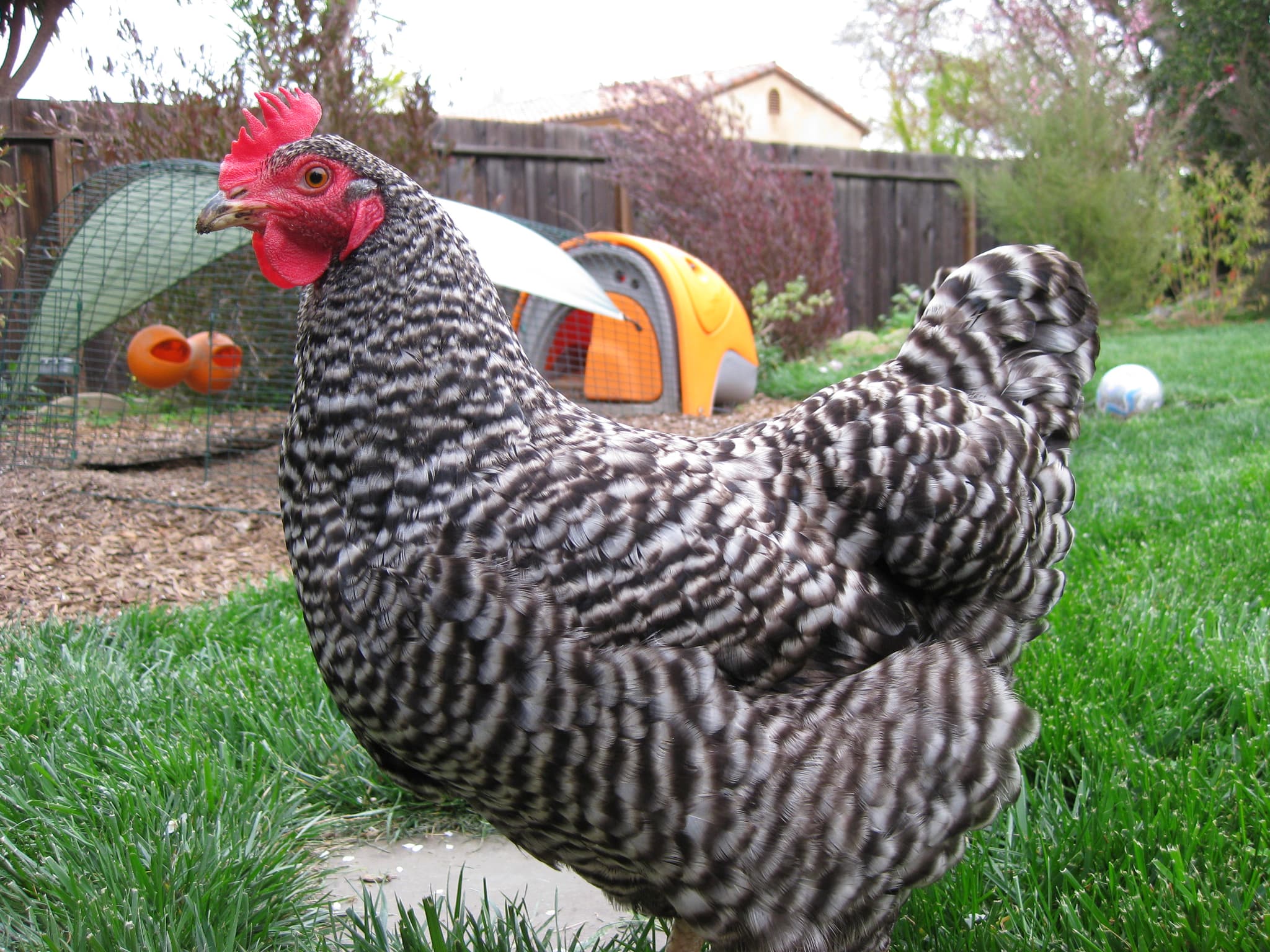
If your backyard flock suddenly looks half-plucked and egg baskets stay empty, you are probably watching a seasonal molt. Most adult hens drop old feathers after the long summer lay and grow a new coat before winter. It looks alarming. It is not an emergency if the birds eat, drink, and move normally.
Molt is expensive for the bird. Growing feathers demands protein and energy. Laying usually pauses because the hen cannot do both jobs well at once. Your job is to shorten the hard weeks, keep body condition, and stop secondary problems such as mites or wet bedding from stacking on top of the molt.
What a healthy molt looks like
A typical autumn molt lasts four to twelve weeks. Feathers loosen first on the head and neck, then the back, breast, and finally the wings and tail. New pin feathers feel like stiff quills and bleed if you snap them. Handle birds gently during this phase.
Watch for these healthy signs:
- Appetite stays strong or even rises
- Comb and wattles stay pink, not grey or shrivelled
- Droppings stay formed; no blood or watery diarrhoea
- Birds still dust-bathe and roost at night
Call a veterinarian if one hen isolates, stops eating, breathes with an open beak, or loses weight while the rest of the flock looks only scruffy. Molt does not cause sudden death or gasping.
Feed for feathers first
Layer mash at 16 percent protein is enough for hens that are already laying. Birds in heavy molt do better on 18 to 20 percent protein for six to eight weeks. Many keepers mix a measured share of grower ration or add cooked eggs, fish meal, or a poultry-grade protein supplement. Do not dump unlimited kitchen scraps; fat and salt delay feather growth.
Keep these feeding rules simple:
- Offer feed in the morning and again late afternoon so timid hens still eat
- Provide insoluble grit if birds range on soil or eat whole grain
- Keep oyster shell in a separate dish; they will take what they need when laying resumes
- Fresh water matters more than extras. Warm, dirty water cuts intake fast
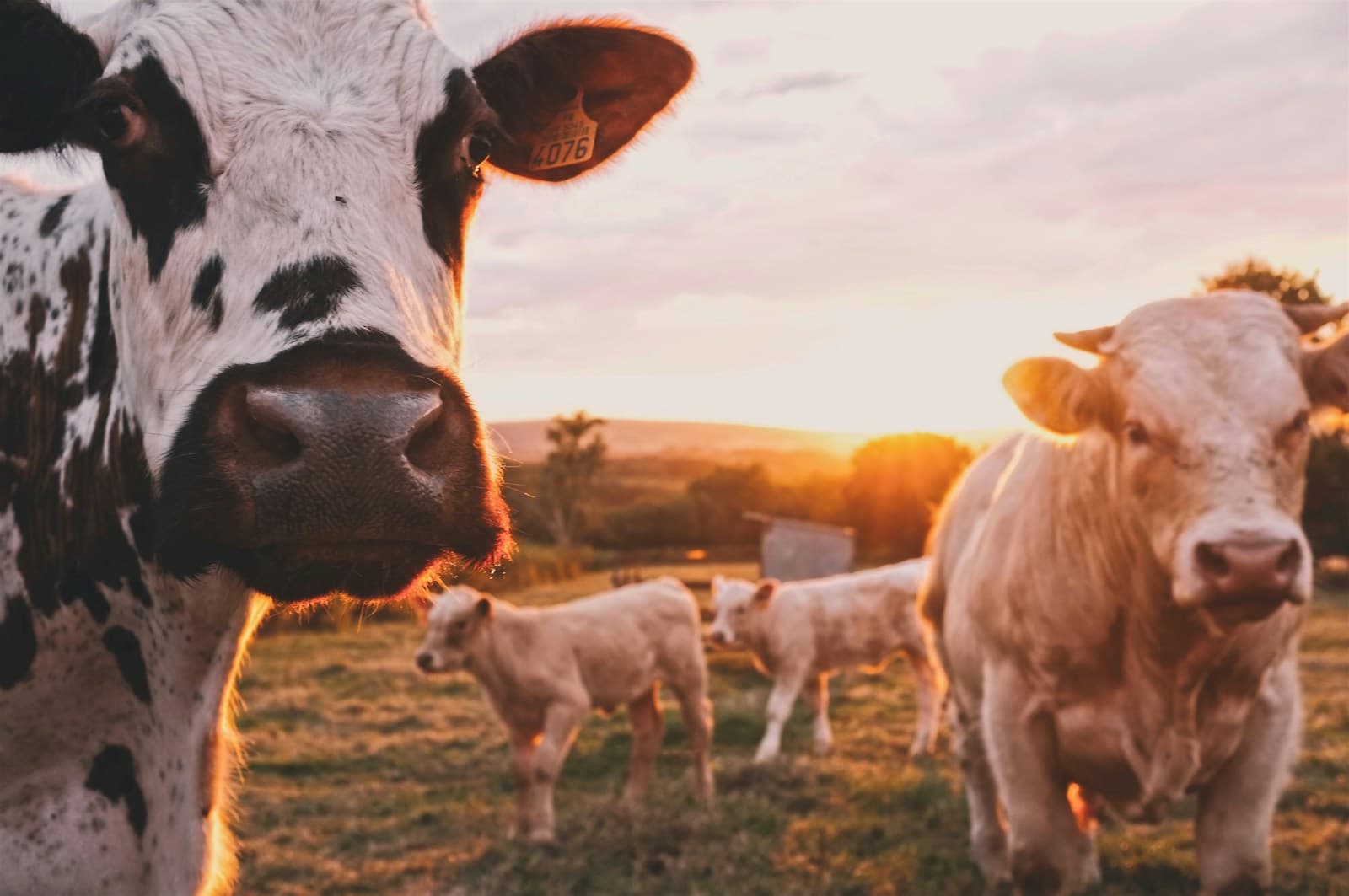
If you use mixed-species yards, goats and cattle can steal poultry feed. Raise hoppers or use a chicken-only run during molt so protein actually reaches the hens.
Light, day length, and the egg pause
Hens time molt and lay to day length. After the summer solstice, declining light tells the ovary to rest. You can leave nature alone and accept fewer eggs until mid-winter, or you can add modest lighting.
If you choose lights:
- Aim for 14 to 16 hours of total light, not 24
- Use a timer. Sudden all-night bulbs stress birds and invite predators noticing a lit coop
- Add light in the morning so birds still go to roost at dusk
- Do not start extra light on a flock that is already thin or mite-loaded. Fix body condition first
Young pullets hatched in spring often skip a hard first-year molt. Older hens molt harder. Do not cull a good layer in October just because she is bald on the neck.
Housing that does not punish bare skin
New pin feathers sit in open follicles. Wet, filthy litter and drafty roosts invite infection. Before nights drop, walk the coop.
Bedding and air
- Swap soaked litter. Deep-litter works if it stays dry and you turn it
- Block driving rain on the roost wall without sealing the coop airtight
- Give at least one dry dust bath: dry soil plus a little wood ash or diatomaceous earth used as a bath, not as a feed additive
Parasites ride the molt
Mites and lice hide in cracks and feed at night. Bare skin makes damage obvious. Check under wings and around the vent with a torch after dark. Treat the housing as well as the bird. A clean, empty coop for a few hours of sun and a scrape of droppings boards is worth more than a single spray on the hens.
Space and pecking
Exposed skin invites pecking. If you see raw patches, separate the victim, darken the run slightly, and hang cabbage or a peck block so energy goes into foraging. Overcrowding turns a normal molt into a welfare problem.
Health checks that belong on the autumn list
Use molt season as a flock audit, not only a feeding change.
- Weigh or handle a sample of hens. Prominent keel bone plus poor muscle means they need more feed, not just more light
- Look at feet for bumblefoot after a wet summer
- Refresh rodent control. Mice move into coops as nights cool and steal protein
- Review Newcastle disease and other regional vaccine timing with your vet before mixing new birds into the flock
- Quarantine any autumn purchase for at least two weeks. A molting resident flock is easier to infect
Buying birds? Inspect eyes, nostrils, vent feathers, and crop. Ask for recent mortality history. A cheap hen that brings respiratory disease costs more than a month of extra feed.
When laying should return
Once the tail feathers finish, most healthy hens start laying again within two to four weeks if day length and protein stay adequate. First eggs after molt can be small or odd-shaped. That usually corrects itself.
Track eggs by week, not by day. A four-hen backyard flock that went from 20 eggs a week to four during peak molt, then back to 14 in November, is doing its job. Panic selling in October is how people lose their best winter layers.
A short autumn checklist
- Step up protein for 6–8 weeks
- Keep water clean and unfrozen at dawn
- Dry litter, working dust bath, mite check at night
- Optional morning light to 14 hours once birds are in good weight
- No new birds without quarantine
- Handle pin-feathered hens as little as possible
Autumn molt is the flock telling you summer is over. Meet the protein and housing need, and the same hens that look wrecked in September will carry you through the short days.