
Most animal listings fail for the same reason: they describe the animal to someone who already knows it. The seller knows the temperament, the bloodline, the reason for sale. The buyer knows none of that and is scrolling past forty other listings.
A listing that sells does one job — it answers the buyer's unasked questions before they have to ask. Here is how.
Photographs do most of the work
Buyers decide whether to read your description based on your first image. Get this wrong and nothing else matters.
What to shoot:
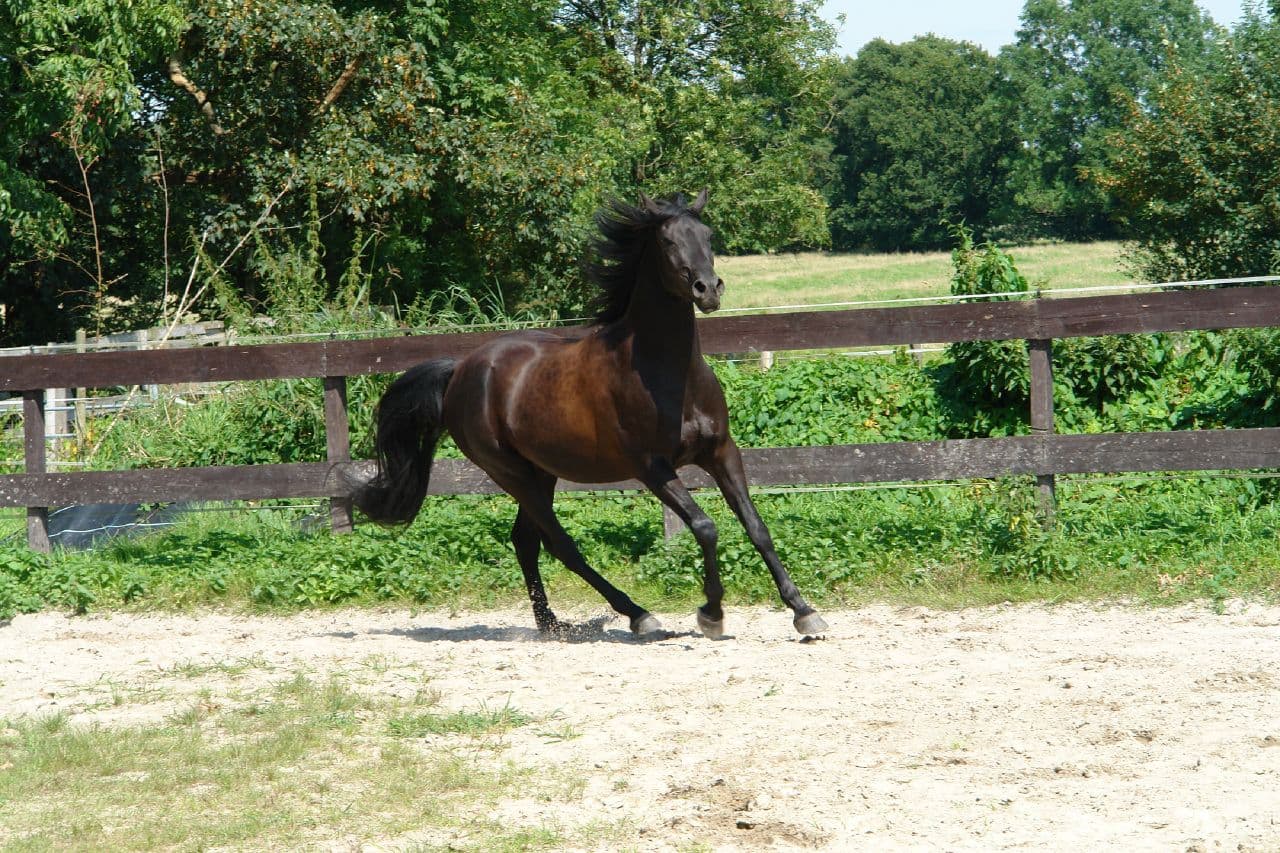
- A clean full-body side profile in natural light — this is your lead image
- Head and face, straight on
- Legs and feet, clearly
- Any marking, scar or distinguishing feature
- The animal moving, if relevant to its purpose
- The environment it currently lives in
What buyers read as warning signs:
- One photo only
- Heavy filters or obvious editing
- Every shot from the same angle
- Cropping that hides part of the animal
- Photos that are obviously old for a young animal
The single most persuasive thing you can include is a short video. It is very hard to disguise an unwell or badly handled animal in thirty seconds of footage, and buyers know that.
Shoot in overcast daylight or open shade. Direct midday sun blows out detail and casts hard shadows that hide conformation.
Write a title that filters, not one that shouts
A good title lets the wrong buyer scroll past and the right buyer stop. Include:
- Breed or type
- Age
- Sex
- One genuinely distinguishing detail
- Location, if the platform does not show it prominently
"Registered Nigerian Dwarf doeling, 4 months, disbudded" outperforms "BEAUTIFUL BABY GOAT MUST SEE!!!" every time — the first tells a buyer whether to care, and it matches how people actually search.
Avoid all-caps, rows of exclamation marks, and words like stunning or amazing. They carry no information and read as compensation.
Structure the description so it can be skimmed
Nobody reads a wall of text. Use short sections with headings, in the order buyers actually want:
Open with the essentials. Age, sex, breed, size, colour, registration status. Two lines, no story yet.
Then health and husbandry. Vaccinations, worming, any veterinary history, current feed and routine. Be specific with dates.
Then temperament and handling. How it behaves with people, with other animals, on a lead or in a stall. This is what separates you from a listing that only lists facts.
Then the practical terms. Price, what is included, deposit terms, whether you can help with transport, earliest collection date.
Then, briefly, why you are selling. One honest sentence. Buyers ask this anyway; answering it up front removes suspicion rather than creating it.
Answer the hard questions before they are asked
Every experienced buyer has a mental checklist. If your listing answers it, you get serious enquiries instead of twenty messages asking the same thing.
The list they are working from is in 9 questions to ask a breeder before you buy — worth reading from the other side of the transaction. The ones worth pre-empting in the listing itself:
- Can the buyer visit and see where the animal is kept?
- Can they meet the parents?
- What health testing has been done?
- What paperwork comes with it?
- Will you take the animal back if circumstances change?
A listing that volunteers all five reads as confident. One that answers none reads as evasive, whether or not it is.
Disclose problems — the good buyers reward it
This is counterintuitive and it is the strongest advice in this article.
If the animal has a minor conformation fault, an old injury, a quirk in temperament, or is nervous around dogs — say so plainly. You will lose the buyers who would have complained after collection, and you will gain the ones who trust you because you told them.
Undisclosed problems surface anyway, usually as a dispute, a refund demand or a public review. Disclosure costs you the wrong buyers. Concealment costs you your reputation, which is the only thing that compounds.
Price it against reality, and explain it
Research what comparable animals actually sold for, not what they were listed at. Then either price at market or explain your difference in one line.
- Above market: name the reason — proven bloodline, competition record, health testing, training already done
- Below market: name the reason too, because an unexplained low price reads as a scam. "Reducing my herd before winter" is a complete and credible explanation
State plainly what is and is not included: registration transfer, halter, health certificate, delivery. Ambiguity here is where most disputes begin.
Sort out logistics before the first enquiry
Decide in advance and put it in the listing:
- Deposit amount and whether it is refundable
- Which payment methods you accept
- Whether you can help arrange transport, and who bears the risk in transit
- Earliest and latest collection dates
Transport is where most animal sales go wrong, almost always because nobody agreed terms in writing. What buyers and sellers should agree before money moves covers this properly — settling it before you list saves the argument later.
Respond fast, and in writing
Enquiry speed correlates with sale price more than almost anything else in your control. The first serious response usually wins.
Keep the conversation on the platform. It gives both sides a record, and buyers increasingly treat a seller pushing them to WhatsApp or email as a risk — because that is how most fraud starts.
A quick checklist before you publish
- Six or more varied, unedited photos, best one first
- A short video if you can manage it
- Title with breed, age, sex and one distinguishing detail
- Description broken into skimmable sections
- Health and vaccination history with dates
- Honest temperament description, including quirks
- Any faults disclosed plainly
- Price justified in one line
- What is included, stated explicitly
- Deposit, payment and transport terms
- Your return policy
Frequently asked questions
How many photos is too many? There is no upper limit that hurts you, but the first three carry almost all the weight. Ten good ones beat thirty repetitive ones.
Should I list a price or say "POA"? List a price. "Price on application" filters out far more serious buyers than time-wasters, and it reads as evasive on a marketplace where everyone else is transparent.
How long should the description be? Long enough to answer the checklist, short enough to skim. Roughly 200–400 words in clear sections beats both a one-liner and an essay.
Does relisting help? Editing and improving an underperforming listing helps. Deleting and reposting the same weak listing does not, and on some platforms it costs you accumulated ranking.
Ready to list? Start here, or look at how established shops present their animals for a sense of what a strong listing looks like.